


Her work “Anxiety Attack” transforms an invisible experience into an intimate, sensory, and deeply human piece of video art.
Columnist: Yael Hervert | Tampa, FL | April 2026
There are experiences that cannot be explained — only endured.
Catarxis presents Ana Tinoco, a visual artist, photographer, and filmmaker, who becomes the first English-speaking creator selected through the magazine’s open call. Her work exists at an honest intersection between contemporary art and the exploration of mental health, proposing an audiovisual translation of what often cannot be put into words.
Her approach is as intimate as it is universal: to bring the internal experience of an anxiety attack into a language of image and sound that can be felt in the body.
The Work
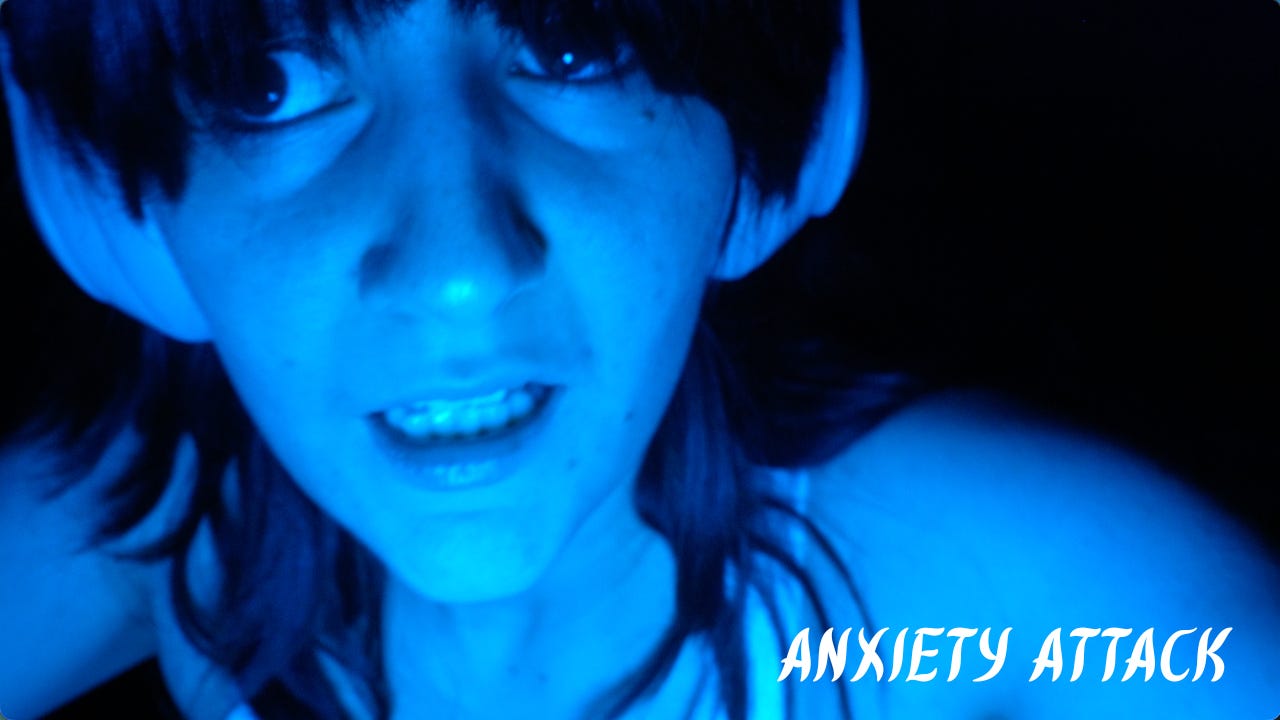
“Anxiety Attack” is a single-channel video art piece with a duration of 2 minutes and 33 seconds, conceived, directed, performed, edited, and sound-designed entirely by Tinoco.
The work immerses the viewer in the physical and psychological landscape of a panic episode: the sensation of being underwater, the heart accelerating and decelerating without warning, time stretching until seconds feel like hours.
Through the intentional use of color — predominantly red, with interruptions of blue and yellow — shifting light, and a sonic architecture composed of muffled voices, a relentless ticking clock, and a distorted scream at its peak, the piece does not explain: it makes you feel.
It invites the viewer to inhabit, even briefly, an experience that millions live through, yet is rarely understood from the outside.
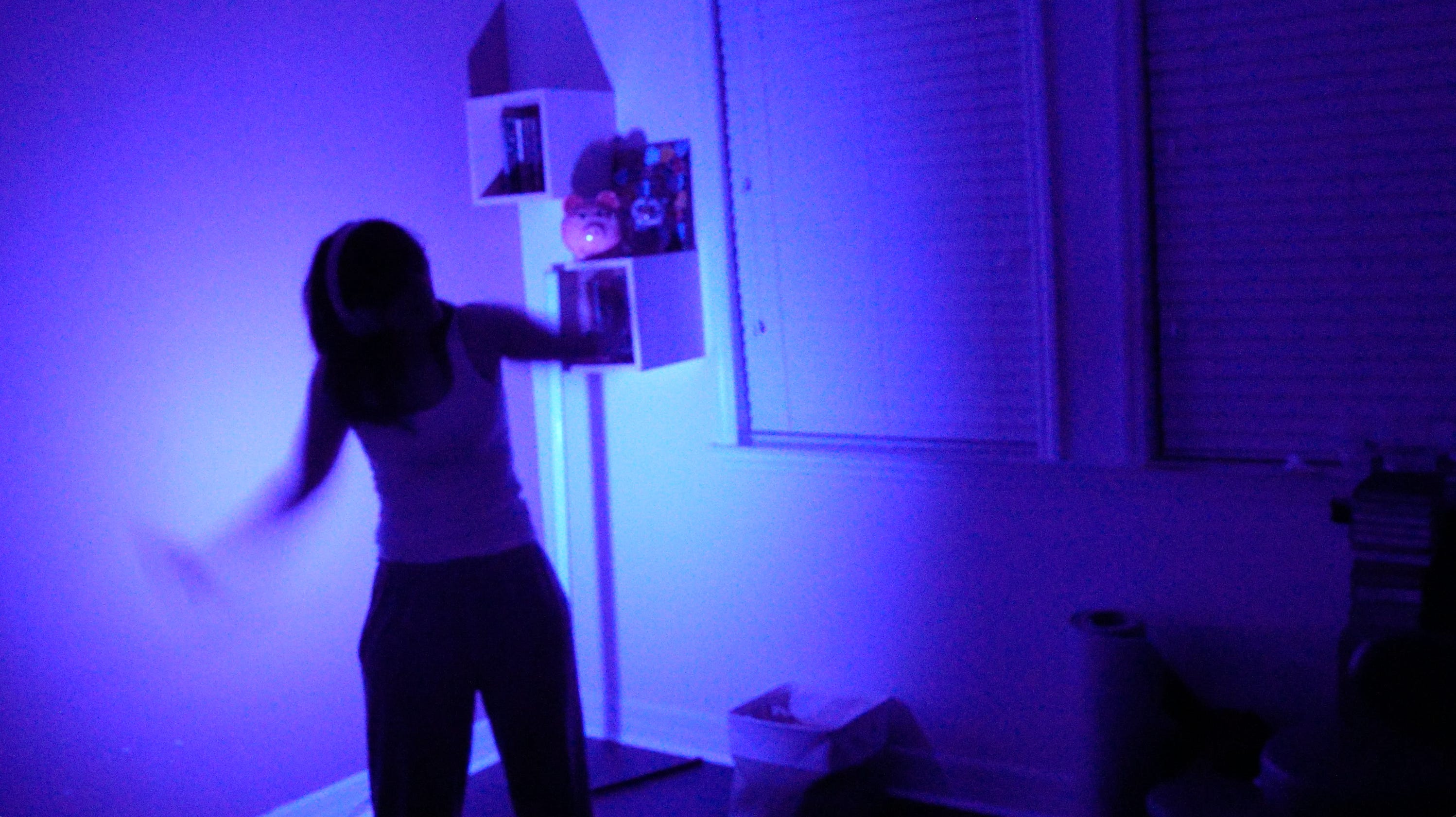
This is not the project’s first version. Tinoco rebuilt the piece from scratch after realizing that the original attempt was not honest enough.
The turning point came during an intense day spent with a close friend with autism, where she witnessed two anxiety episodes within the same day. In the silence that followed, a question emerged — one that ultimately shaped the work:
How do you make someone feel what you feel? Not conceptually. Viscerally.
“The biggest challenge was translating something internal and invisible into something visible.
I had to make decisions in every layer: the light, the colors, the rhythm of the heartbeat, the timing of the scream.
And I had to admit that the first version wasn’t honest enough.
Sometimes you have to feel something deeply before you can make others feel it.”
— Ana Tinoco
After the Impact
Tinoco continues to develop new projects that expand her creative universe. She is currently working on “When No One Is Watching”, a video piece exploring identity and external perception, where she embodies a distorted version of herself shaped by what others might think of her.
At the same time, she is developing a deeply personal photographic trilogy:
the first explores expectations during adolescence
the second, the weight of what remains unspoken
the third, a more raw and direct approach to her reality
She is also building a photobook that documents her life in the present moment, functioning as both an emotional and visual archive.
Her active participation in open calls and art spaces aims to expand her reach to new audiences within and beyond the United States, positioning her work within the contemporary conversation around art and mental health.
“There are so many voices in this world. Sometimes you can feel lost in that ocean, searching for your own.
What I want, above all, is for my art to be seen.
For someone, somewhere, to watch ‘Anxiety Attack’ and say: this is exactly how I feel.
Or: this is exactly how someone I love feels… and now I understand.”
— Ana Tinoco
“Anxiety Attack” is a completed work, ready for exhibition, publication, or screening.
Pain, anxiety, and the invisible weight we carry do not speak a single language.
Art doesn’t either.
Contact Ana Tinoco:
Portafolio: anatinocob.myportfolio.com
Instagram: @anatinocob
YouTube: youtube.com/channel/UCGeWtsbMZj23hY1iz42IZxA

Spanish Version
Ana Tinoco y el arte de traducir la ansiedad en imagen y sonido
Su obra “Ataque de Ansiedad” transforma una experiencia invisible en un ejercicio de videoarte íntimo, sensorial y profundamente humano.
Columnista: Yael Hervert | Tampa, FL | Abril 2026
Hay experiencias que no se pueden explicar, solo atravesar.
Catarxis presenta a Ana Tinoco, artista visual, fotógrafa y cineasta, quien se convierte en la primera creadora anglófona seleccionada por la revista a través de su convocatoria abierta. Su trabajo se sitúa en un cruce honesto entre el arte contemporáneo y la exploración de la salud mental, proponiendo una traducción audiovisual de lo que, muchas veces, no encuentra palabras.
Su propuesta es tan íntima como universal: llevar la experiencia interna de un ataque de ansiedad a un lenguaje de imagen y sonido capaz de sentirse en el cuerpo.
La obra
“Ataque de Ansiedad” es una pieza de videoarte de canal único con duración de 2 minutos y 33 segundos, concebida, dirigida, actuada, editada y diseñada sonoramente en su totalidad por Tinoco.
La obra sumerge al espectador en el paisaje físico y psicológico de un episodio de pánico: la sensación de estar bajo el agua, el corazón acelerándose y desacelerándose sin aviso, el tiempo dilatado hasta que los segundos se vuelven horas.
A través del uso intencional del color —rojo predominante, con irrupciones de azul y amarillo—, la luz cambiante y una arquitectura sonora compuesta por voces amortiguadas, un reloj implacable y un grito distorsionado en el punto álgido, la pieza no explica: hace sentir.
Invita a habitar, aunque sea por un instante, una experiencia que millones viven, pero pocas veces se comprende desde fuera.
Esta no es la primera versión del proyecto. Tinoco reconstruyó la obra desde cero tras reconocer que su intento inicial no era lo suficientemente honesto.
El detonante fue una jornada intensa junto a una amiga cercana con autismo, durante la cual presenció dos episodios de ansiedad en un mismo día. En el silencio posterior surgió una pregunta que terminó por definir la pieza:
¿Cómo hacer sentir a alguien lo que yo siento? No conceptualmente. Visceralmente.
“El mayor desafío fue traducir algo interno e invisible en algo visible.
Tuve que decidir cada elemento: la luz, los colores, el ritmo del corazón, el momento del grito.
Y también aceptar que la primera versión no era honesta.
A veces hay que sentir profundamente antes de poder hacer que otros lo sientan.”
— Ana Tinoco
Después del impacto
Tinoco continúa desarrollando nuevos proyectos que expanden su universo creativo. Actualmente trabaja en “When No One Is Watching”, una exploración en video sobre la identidad y la percepción externa, donde encarna una versión distorsionada de sí misma construida a partir de lo que otros podrían pensar.
Paralelamente, desarrolla una trilogía fotográfica profundamente personal:
la primera, sobre las expectativas en la adolescencia
la segunda, el peso de lo no dicho
la tercera, una aproximación más cruda y directa a su realidad
También construye un fotolibro que documenta su vida en el presente, como archivo emocional y visual.
Su participación activa en convocatorias y espacios de arte busca abrir nuevas audiencias dentro y fuera de Estados Unidos, posicionando su trabajo dentro de la conversación contemporánea sobre arte y salud mental.
“Hay tantas voces en este mundo. A veces uno puede sentirse perdido en ese océano buscando la propia.
Lo que quiero, por encima de todo, es que mi arte sea visto.
Que alguien, en algún lugar, mire ‘Ataque de Ansiedad’ y diga: así es exactamente como me siento.
O: así es exactamente como se siente alguien que amo… y ahora lo entiendo.”
— Ana Tinoco
“Ataque de Ansiedad” es una obra terminada, lista para exhibición, publicación o proyección.
El dolor, la ansiedad y el peso invisible que cargamos no hablan un solo idioma.
El arte tampoco.
Contacto y redes de Ana Tinoco:
Portafolio: anatinocob.myportfolio.com
Instagram: @anatinocob
YouTube: youtube.com/channel/UCGeWtsbMZj23hY1iz42IZxA

Catarxis
Revista de arte y creatividad
Substack | Ecosistema editorial