


Columnista: Yael Hervert | Tampa FL | Enero 2026
Cada primer domingo de febrero, México celebra una bebida ancestral que une historia, sabor y creatividad.
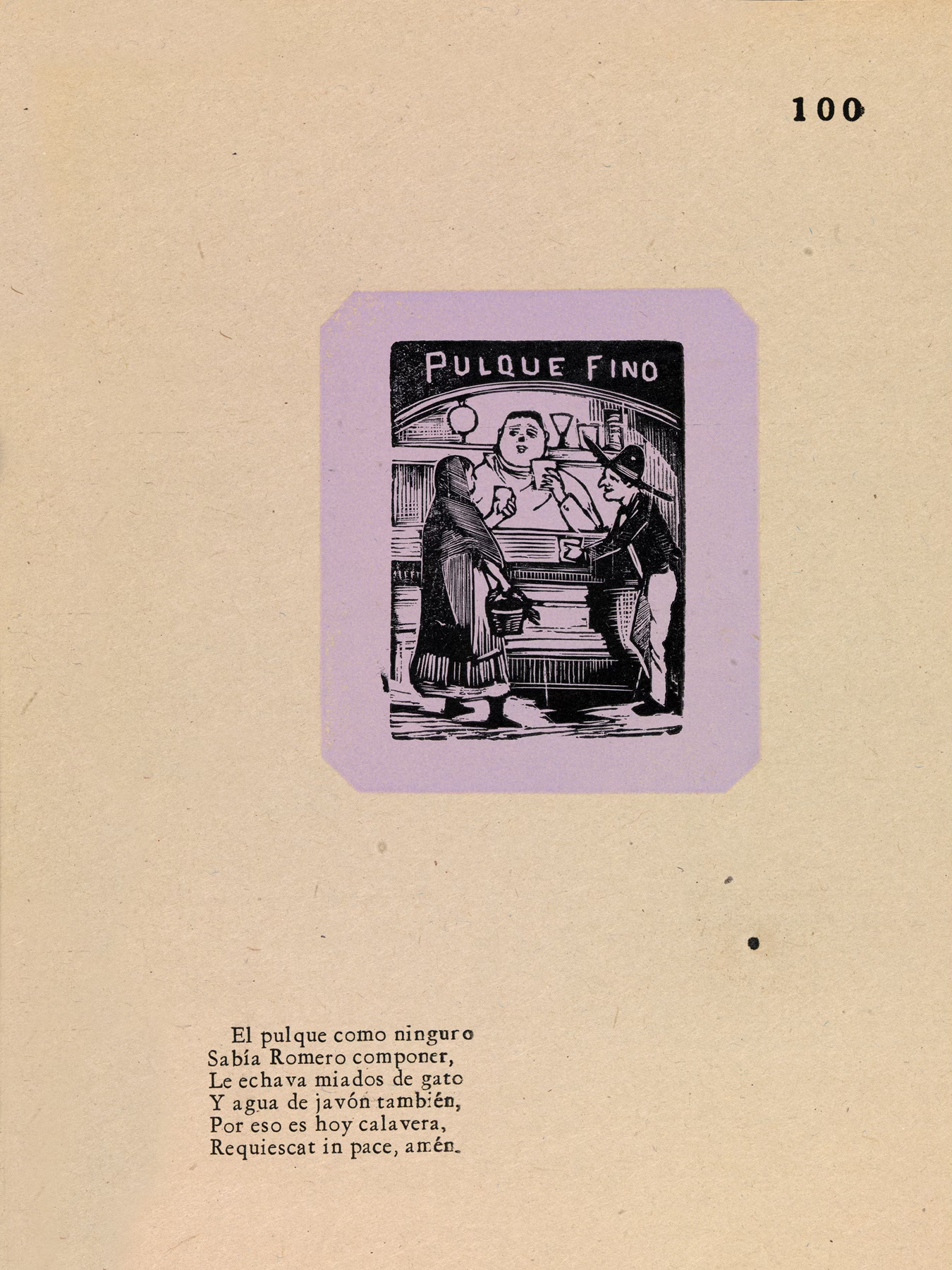
El pulque no es una moda ni una simple bebida. Es un legado ancestral que nace del corazón del maguey y de las prácticas fermentativas de las civilizaciones mesoamericanas, con evidencia que lo sitúa en uso desde al menos hace 2 000 años.
Se obtiene del aguamiel, la savia dulce del maguey —un agave que puede tardar más de una década en madurar— que, al fermentar de forma natural, da lugar a esta bebida blanca, ligeramente ácida y espirituosa que acompañó a distintos pueblos de Mesoamérica desde tiempos de Teotihuacán (alrededor del 150 a. C.–650 d. C.) hasta la llegada de los mexicas.
Históricamente, el pulque tenía un carácter sagrado. Para los pueblos náhuatl, era más que un refresco: era un elemento ritual conectado con deidades como Mayahuel, la diosa del maguey, y con los Centzon Totochtin (los “400 conejos”), figuras asociadas a la embriaguez y al éxtasis.
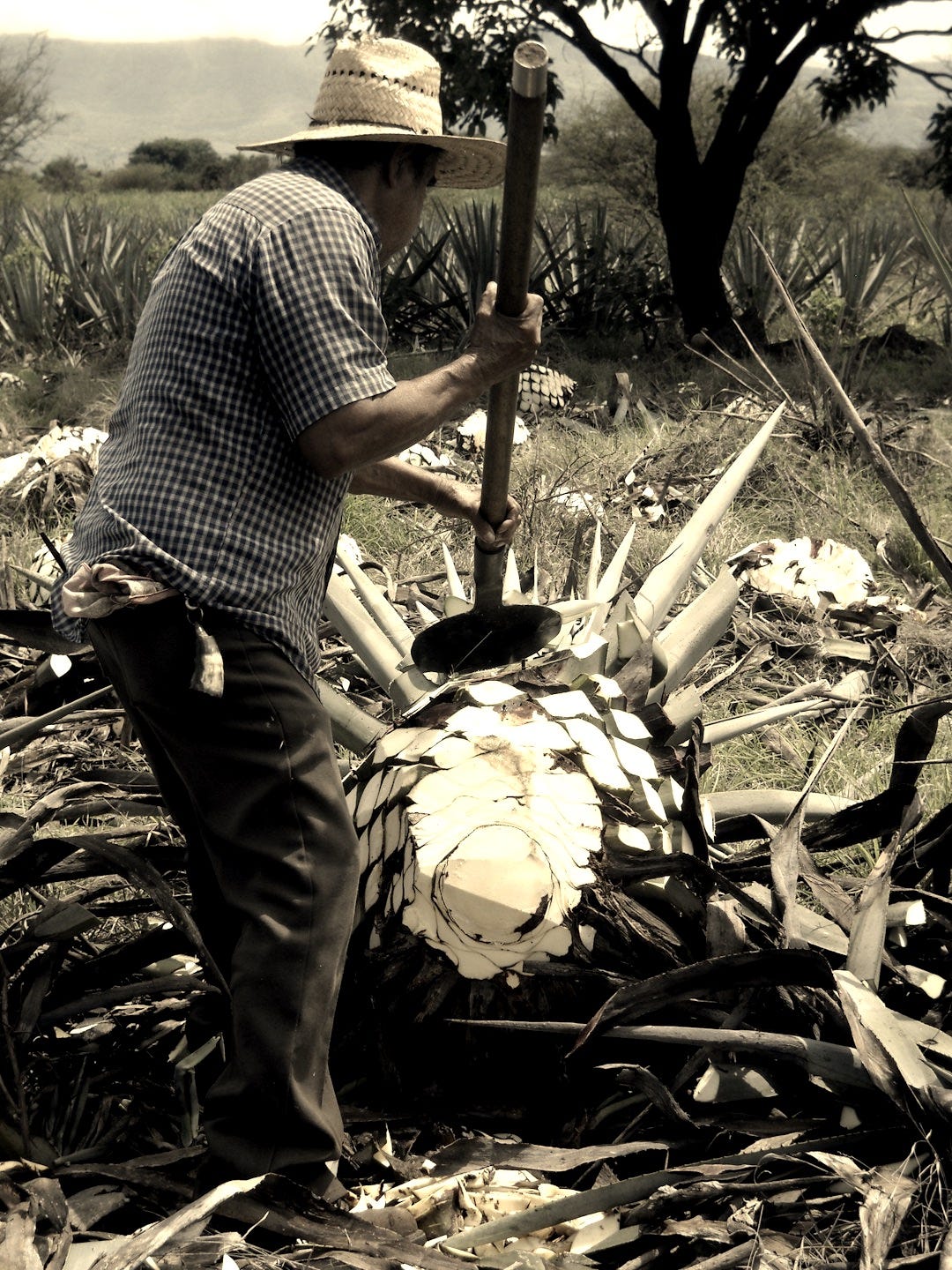
La palabra pulque proviene probablemente de una adaptación de términos del náhuatl como poliuhqui (“deteriorado” o fermentado), mientras que los antiguos mexicas lo llamaban octli.
Además de su dimensión mitológica, el pulque cumplía funciones sociales y nutricionales: era usado no solo en ceremonias sagradas, sino también como parte de la dieta, fuente de nutrientes y bebida ritualizada que marcaba eventos comunitarios.
Con la llegada de los españoles, su consumo se transformó: pasó de ser restringido a élites religiosas y gobernantes a una bebida de consumo más amplio entre la población, aunque también fue objeto de estigmatización por parte de autoridades coloniales.
Hoy, con el establecimiento del Día del Pulque cada primer domingo de febrero, esta bebida milenaria se celebra como un símbolo de identidad, resistencia y creatividad que sigue inspirando a nuevas generaciones.
Este 1 de febrero, levanta tu vaso y celebra lo auténtico: la paciencia de la fermentación, la creatividad mexicana y la magia de lo cotidiano que se convierte en tradición. 🍶✨
Referencias
-Pulque es una bebida tradicional mexicana fermentada a partir de aguamiel, con historia que se remonta al menos a hace 1 500–2 000 años. Britannica
-Pulque se consumió desde la época prehispánica, en varias culturas mesoamericanas, con significado ceremonial y simbólico. MDPI
-La leyenda de Mayahuel, diosa del maguey, está asociada con el origen del pulque. Wikipedia en español
-El aguamiel, savia dulce del maguey, es recolectado y fermentado para producir la bebida. MDPI
-El pulque fue considerado sagrado y su consumo asociado a rituales y ceremonias en tiempos prehispánicos. MDPI
-Día del Pulque: celebración oficial cada primer domingo de febrero. Mexico News Daily

Pulque Day: The Birth of a Millenary Beverage
Columnist: Yael Hervert | Tampa, FL | January 2026
Every first Sunday of February, Mexico celebrates an ancestral beverage that brings together history, flavor, and creativity.
Pulque is not a trend or a simple drink. It is an ancestral legacy born from the heart of the maguey plant and from the fermentative practices of Mesoamerican civilizations, with evidence placing its use at least 2,000 years ago.
It is made from aguamiel, the sweet sap of the maguey—an agave that can take more than a decade to mature—which, through natural fermentation, becomes this white, slightly acidic, and spirited beverage that accompanied different Mesoamerican peoples from the time of Teotihuacan (around 150 BCE–650 CE) to the arrival of the Mexica.

Historically, pulque held a sacred character. For Nahuatl-speaking peoples, it was more than a refreshment: it was a ritual element connected to deities such as Mayahuel, the goddess of the maguey, and the Centzon Totochtin (the “400 rabbits”), figures associated with intoxication and ecstasy.
The word pulque likely comes from an adaptation of Nahuatl terms such as poliuhqui (“spoiled” or fermented), while the ancient Mexica called it octli.
Beyond its mythological dimension, pulque fulfilled social and nutritional functions: it was used not only in sacred ceremonies, but also as part of the daily diet, a source of nutrients, and a ritualized drink that marked community events.
With the arrival of the Spanish, its consumption changed: it went from being restricted to religious elites and rulers to a beverage consumed more widely among the population, though it was also stigmatized by colonial authorities.
Today, with the establishment of Pulque Day on the first Sunday of February, this millenary beverage is celebrated as a symbol of identity, resistance, and creativity that continues to inspire new generations.
This February 1st, raise your glass and celebrate the authentic: the patience of fermentation, Mexican creativity, and the magic of the everyday transformed into tradition.