


Entre la intuición, la obsesión y la necesidad de existir a través de la obra
Columnista: Yael Hervert | Tampa, FL | Marzo 2026
Hay algo incómodo en intentar definir al artista.
Porque en cuanto parece que lo entiendes… cambia.
No es una profesión en el sentido tradicional.
No es un rasgo de personalidad aislado.
Ni siquiera es una decisión completamente racional.
Ser artista es más cercano a un estado mental persistente.
Una forma de estar en el mundo donde todo —absolutamente todo— puede convertirse en materia prima.
Este no es un intento por encasillar, sino por mapear.
Un perfil no como etiqueta, sino como territorio.
I. El sistema nervioso del artista
El artista no “ve más bonito”.
Ve más.

Percibe capas: lo evidente, lo simbólico, lo emocional, lo que no se dice.
Funciona como un sistema sensorial expandido, donde la realidad entra sin demasiados filtros.
Esto tiene un costo.
Mayor propensión a la sobrecarga emocional
Dificultad para desconectarse
Tendencia a interpretar incluso lo irrelevante
Pero también es su mayor activo:
la capacidad de traducir lo invisible en algo tangible.
El artista no inventa mundos.
Los detecta antes que otros.
II. Obsesión: la fuerza que reemplaza a la motivación
Si hay un rasgo transversal en el perfil del artista, no es el talento.

Es la obsesión.
Una idea que regresa.
Una imagen que insiste.
Una canción que no termina de acomodarse.
El artista no trabaja solo cuando “quiere”.
Trabaja cuando algo lo posee.
Aquí es donde se rompe el mito de la inspiración romántica:
crear no siempre se siente bien. Muchas veces se siente como una urgencia.
Y esa urgencia es lo que separa el interés del compromiso real.
III. Intuición vs. sistema: el punto de quiebre
Todo artista comienza desde la intuición.


Pero pocos logran sostenerse ahí.
En algún punto aparece la fricción con la realidad:
dinero
tiempo
visibilidad
consistencia
Y entonces surge una segunda capa del perfil artístico:
la necesidad de construir sistema.
Hábitos. Ritmos. Estrategias. Plataformas.
Aquí ocurre una bifurcación silenciosa:
El artista que se queda en la intuición y se diluye
El artista que integra estructura sin perder sensibilidad
El verdadero crecimiento creativo no está en elegir uno u otro.
Está en aprender a operar con ambos.
IV. La validación: entre el ego y la supervivencia
El artista crea desde lo íntimo… pero publica en lo público.

Esa contradicción define gran parte de su psicología.
Hay una narrativa peligrosa que dice:
“el verdadero artista no necesita validación”.
Es falsa.
Todo artista necesita ser visto.
No solo por ego, sino porque su obra está diseñada para ser recibida.
El problema no es la validación.
Es cuando se convierte en el único combustible.
Ahí es donde la obra deja de ser exploración
y se convierte en reacción.
V. Inestabilidad como entorno natural
A diferencia de otros perfiles profesionales, el artista no opera en sistemas estables.
Opera en incertidumbre constante:
ingresos variables
oportunidades impredecibles
reconocimiento intermitente
Esto genera dos tipos de artistas:
El que se paraliza ante la inestabilidad
El que la convierte en parte de su lenguaje
La resiliencia no es opcional.
Es estructural.
VI. Identidad fragmentada: el artista contemporáneo
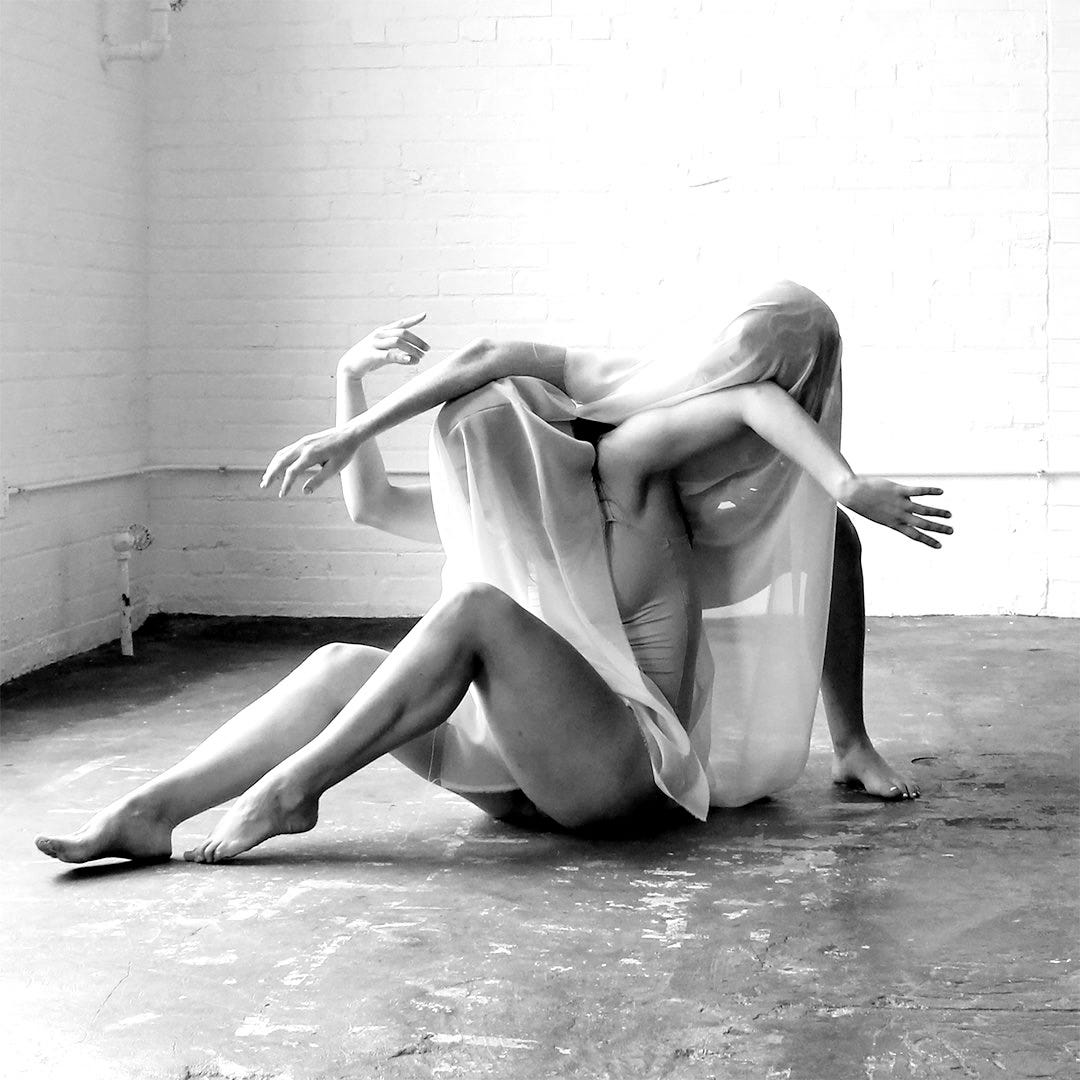
Hoy, el perfil del artista ya no es unidimensional.
No basta con crear.
También hay que:
comunicar
distribuir
posicionar
monetizar
El artista contemporáneo es, al mismo tiempo:
autor
editor
estratega
marca
Y aquí aparece una de las tensiones más interesantes:
¿hasta qué punto profesionalizarse sin perder autenticidad?
No hay respuesta única.
Pero sí una certeza: ignorar esta dimensión ya no es viable.
VII. El artista como traductor de realidad
Más allá de todas las capas, hay una constante:
El artista traduce.
Convierte experiencias en lenguaje.
Emociones en forma.
Caos en estructura.
No crea desde la nada.
Reorganiza lo que ya existe… de una forma que otros no habían visto.
Y en ese proceso, genera algo que no solo lo representa a él,
sino que permite a otros entenderse.

Conclusión: la necesidad como origen
El rasgo más honesto del perfil del artista no es el talento.
Es la imposibilidad de no hacerlo.
Crear no siempre es elección.
Muchas veces es consecuencia.
De cómo se percibe el mundo.
De cómo se procesa la realidad.
De cómo se sobrevive internamente.
El artista no siempre busca destacar.
Busca resolver algo que no termina de acomodarse dentro.
Y en ese intento, a veces caótico, a veces brillante,
termina construyendo obras que otros necesitan…
aunque nunca lo hayan pedido.
English Version
The Artist Profile: Anatomy of a Mind That Never Stops Creating
Between intuition, obsession, and the need to exist through the work
Columnist: Yael Hervert | Tampa, FL | March 2026

There is something uncomfortable about trying to define the artist.
Because the moment you think you understand it… it changes.
It is not a profession in the traditional sense.
It is not a single personality trait.
It is not even a fully rational decision.
Being an artist is closer to a persistent mental state.
A way of existing in the world where everything—absolutely everything—can become raw material.
This is not an attempt to label, but to map.
A profile not as a category, but as a territory.
I. The Artist’s Nervous System
The artist does not “see more beautifully.”
They see more.
They perceive layers: the obvious, the symbolic, the emotional, the unspoken.
They operate as an expanded sensory system, where reality enters with very few filters.
This comes at a cost.
A higher tendency toward emotional overload
Difficulty disconnecting
A constant urge to interpret—even the irrelevant
But it is also their greatest asset:
the ability to translate the invisible into something tangible.
The artist does not invent worlds.
They detect them before others do.
II. Obsession: The Force That Replaces Motivation
If there is a defining trait in the artist profile, it is not talent.
It is obsession.
An idea that keeps returning.
An image that insists.
A song that refuses to settle.
The artist does not work only when they “feel like it.”
They work when something takes hold of them.
This is where the myth of romantic inspiration collapses:
creating does not always feel good. Often, it feels urgent.
And that urgency is what separates casual interest
from real commitment.
III. Intuition vs. System: The Breaking Point
Every artist begins with intuition.
But very few can sustain themselves there.
At some point, friction with reality appears:
money
time
visibility
consistency
And then a second layer of the artist profile emerges:
the need to build a system.
Habits. Rhythms. Strategies. Platforms.
This is where a silent divergence happens:
The artist who stays in intuition and fades
The artist who integrates structure without losing sensitivity
True creative growth is not about choosing one over the other.
It is about learning to operate within both.
IV. Validation: Between Ego and Survival
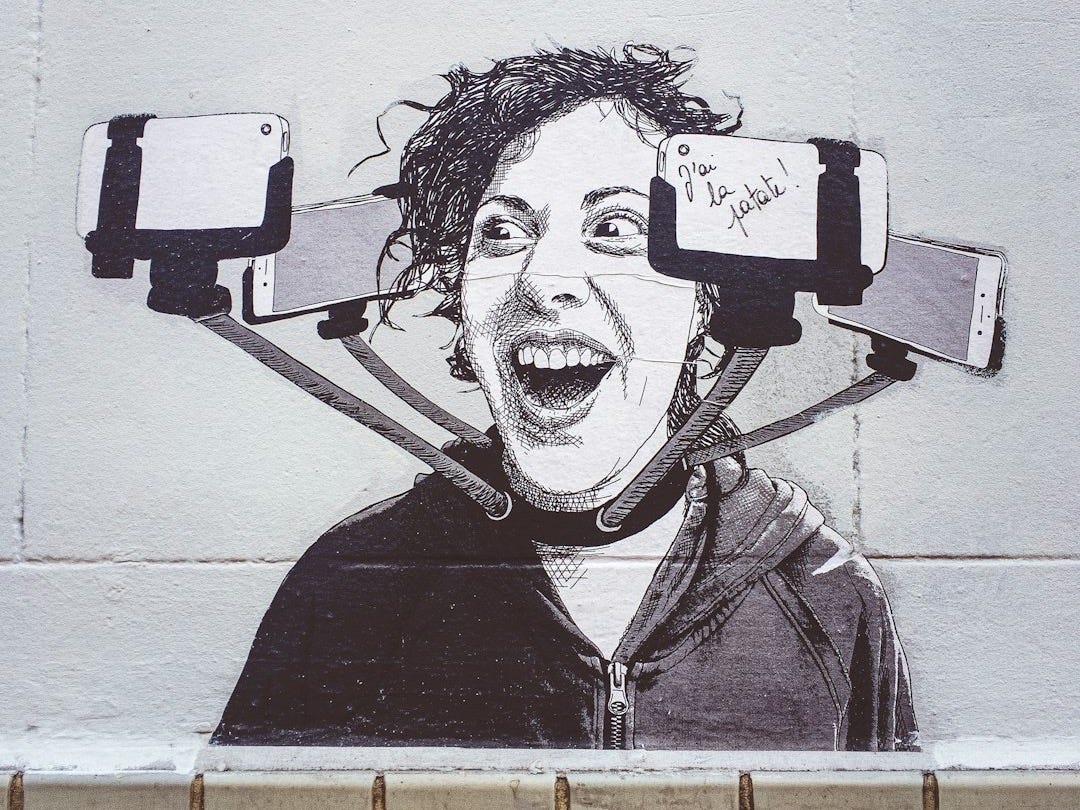
The artist creates from the intimate… but publishes into the public.
That contradiction shapes much of their psychology.
There is a dangerous narrative that says:
“the true artist doesn’t need validation.”
It is false.
Every artist needs to be seen.
Not only because of ego, but because their work is meant to be received.
The problem is not validation.
The problem is when it becomes the only fuel.
That is when the work stops being exploration
and becomes reaction.
V. Instability as a Natural Environment
Unlike other professional profiles, the artist does not operate within stable systems.
They operate within constant uncertainty:
fluctuating income
unpredictable opportunities
intermittent recognition
This creates two types of artists:
The one who freezes in the face of instability
The one who turns it into part of their language
Resilience is not optional.
It is structural.
VI. Fragmented Identity: The Contemporary Artist
Today, the artist profile is no longer one-dimensional.
Creating is not enough.
Now, one must also:
communicate
distribute
position
monetize
The contemporary artist is, at once:
author
editor
strategist
brand
And here lies one of the most interesting tensions:
how far can one professionalize without losing authenticity?
There is no single answer.
But there is one certainty: ignoring this dimension is no longer viable.
VII. The Artist as a Translator of Reality

Beyond all layers, one constant remains:
The artist translates.
They turn experience into language.
Emotion into form.
Chaos into structure.
They do not create from nothing.
They reorganize what already exists… in a way no one else has seen.
And in doing so, they produce something that not only represents them,
but allows others to understand themselves.
Closing: Necessity as Origin
The most honest trait of the artist profile is not talent.
It is the inability to not do it.
Creating is not always a choice.
Often, it is a consequence.
Of how the world is perceived.
Of how reality is processed.
Of how one survives internally.
The artist does not always seek to stand out.
They seek to resolve something that does not quite settle within them.
And in that attempt—sometimes chaotic, sometimes brilliant—
they end up building works that others need…
even if they never asked for them.