


Hay algo que está pasando en los estudios, en los talleres, en los muros de las ciudades latinoamericanas — y ya no se puede ignorar. Los artistas de la región están dejando de mirar hacia afuera para encontrar respuestas. En cambio, voltean hacia adentro: hacia la abuela que bordaba, hacia el mercado de colores imposibles, hacia los mitos que nadie les enseñó en la escuela pero que aprendieron en la cocina.
No es nostalgia. Es otra cosa. Es más urgente.
Columnista: Yael Hervert | Tampa, FL | Mayo 2026
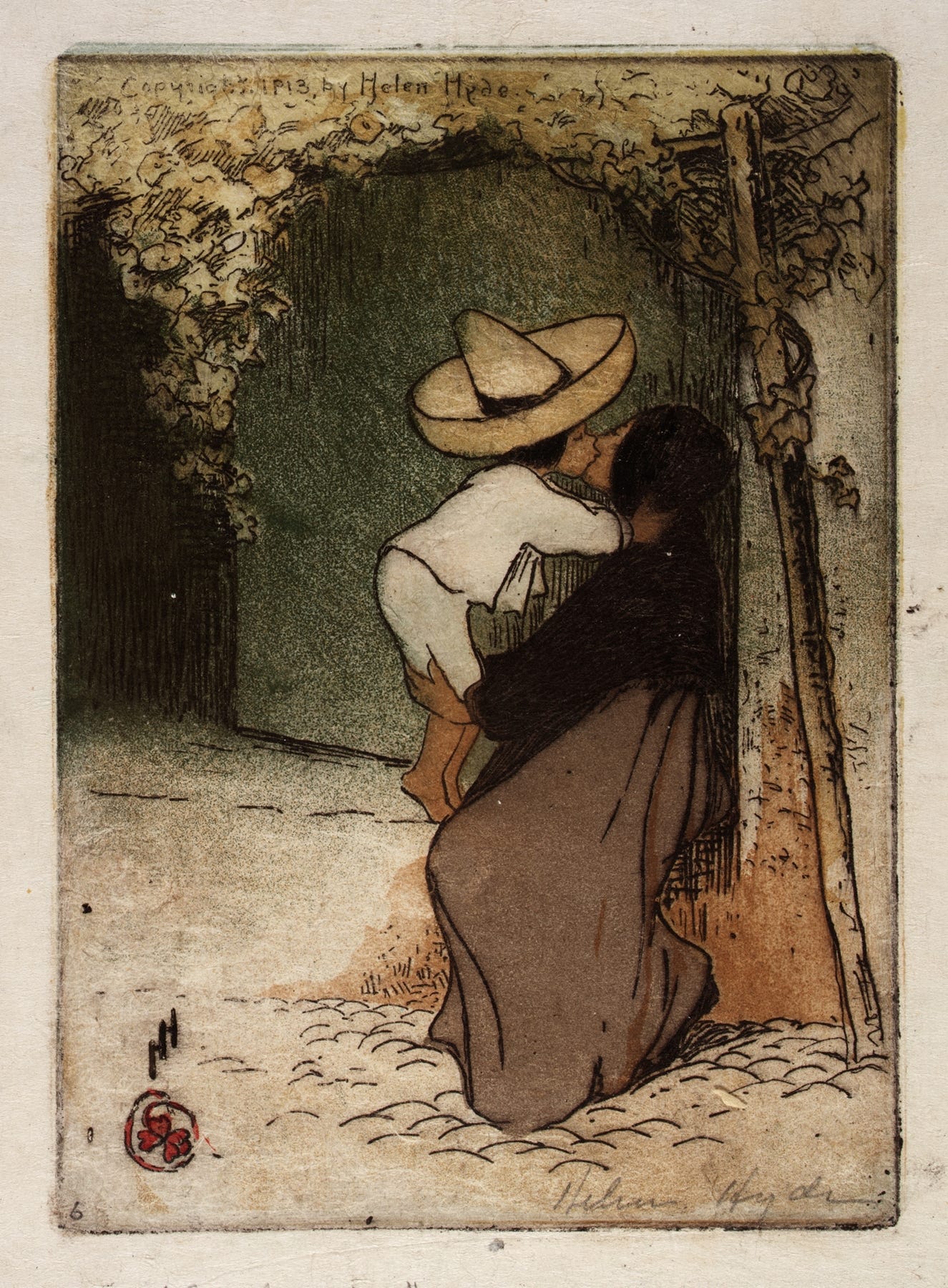
El mundo voltea a ver al sur
Durante décadas, el canon del arte “relevante” llegaba de Nueva York, Berlín o Londres. Lo latinoamericano era exótico en el mejor de los casos, folclórico en el peor. Algo que decoraba bienales pero rara vez las definía.
Eso está cambiando — y con una velocidad que sorprende incluso a quienes lo están viviendo desde adentro.
Festivales como el Latin American Design Festival, la Mexico Design Week o la Cairo Design Week están poniendo sobre la mesa una pregunta que la industria global ya no puede esquivar: ¿qué pasa cuando las culturas que siempre fueron “inspiración” para otros empiezan a hablar por sí mismas?
La respuesta, resulta, es que pasa algo muy poderoso.
Identidad no es decoración
El error más común al hablar de arte e identidad cultural es confundir lo uno con lo otro: meter simbología indígena en un póster, poner colores de bandera en una tipografía y llamarlo “arte latinoamericano”. No funciona así — y los artistas más interesantes de la región lo saben.
Lo que está emergiendo es algo más honesto y más difícil de lograr: un lenguaje visual que no ilustra la cultura, sino que viene de ella. Que no la representa, sino que la habita.

Pienso en ilustradoras mexicanas que construyen mundos donde la muerte no da miedo porque siempre fue parte del vecindario. En fotógrafas colombianas que retratan la violencia sin espectacularizarla, con la calma de quien creció conviviendo con ella. En diseñadores argentinos que mezclan la austeridad del cartel político con la saturación de la cumbia, porque en su imaginario ambas cosas siempre coexistieron.
Eso no se aprende en una escuela de diseño en Europa. Se vive.
Pertenencia, no patriotismo
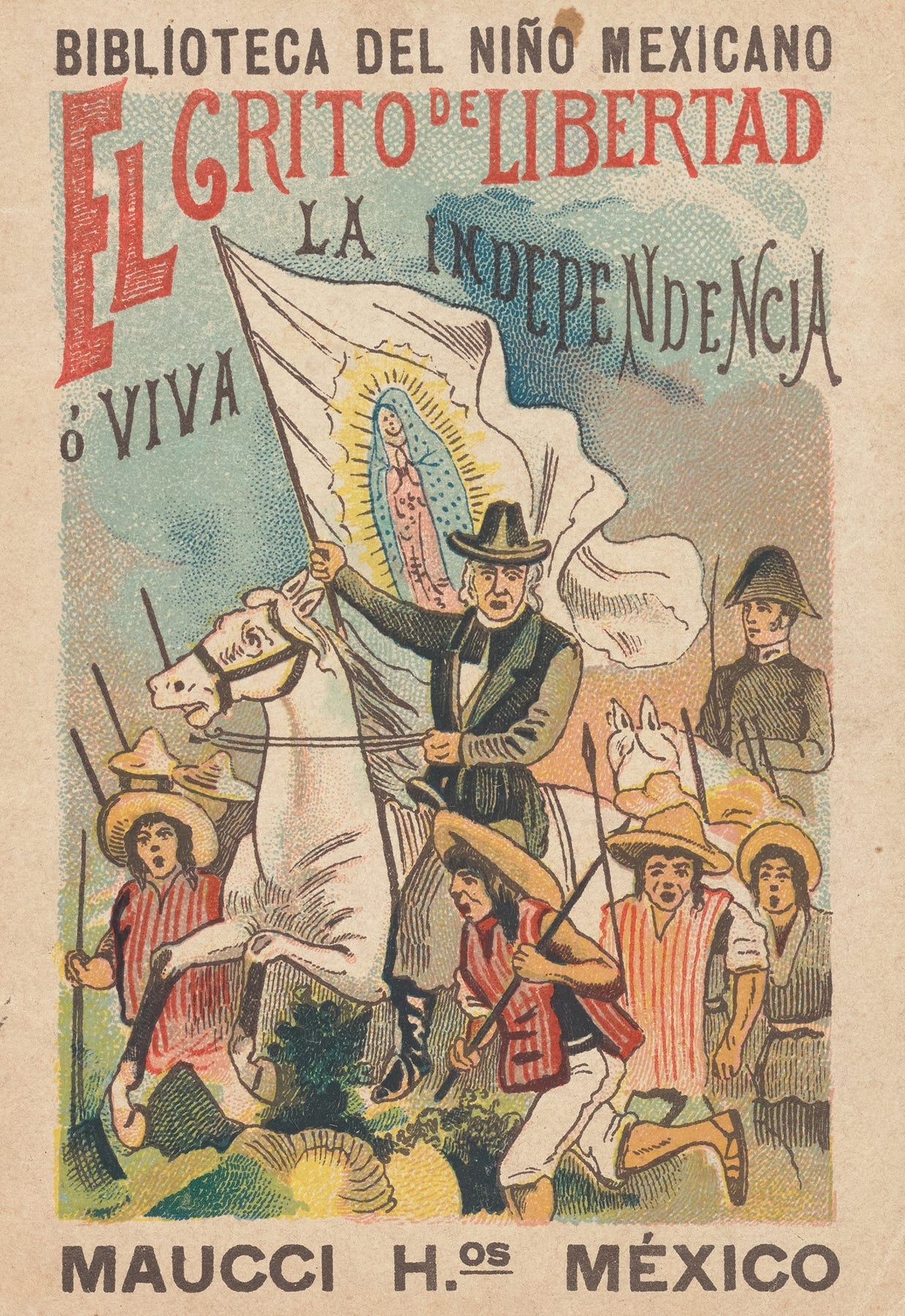
Hay una distinción que vale la pena hacer — y que los propios creadores repiten cuando se les pregunta por su trabajo.
Crear desde la identidad cultural no es un acto patriótico. No es agitar una bandera ni reivindicar una superioridad. Es, en todo caso, lo contrario: es un acto de vulnerabilidad. Es decir “esto es de donde vengo, esto me formó, y no tengo por qué esconderlo para que mi trabajo sea tomado en serio.”
En un mundo donde los algoritmos tienden a borrar las particularidades para servir contenido universalmente digerible, apostar por lo propio es casi un acto de resistencia.
Y curiosamente, funciona. Las piezas más locales suelen ser las más universales — porque la especificidad toca algo que el contenido genérico nunca puede.
La creatividad latinoamericana como ecosistema
Lo que está pasando no es solo un fenómeno de artistas individuales. Es un ecosistema que se está consolidando: escuelas, colectivos, plataformas, festivales, mercados de diseño, publicaciones digitales (sí, como esta) que están construyendo una infraestructura para que ese talento no tenga que emigrar para existir.
Por primera vez en mucho tiempo, hay condiciones para que un artista en Oaxaca, en Medellín, en La Paz o en San Juan pueda construir una carrera relevante sin necesidad de validarse en otra latitud.
Eso es nuevo. Y es importante.
Lo que viene
No es difícil ver hacia dónde se mueve todo esto. El mercado global del arte y el diseño está hambriento de autenticidad — precisamente porque el contenido producido en masa, amplificado por IA, ha vaciado de sentido buena parte de lo visual que nos rodea.
En ese contexto, lo que tiene historia, lo que tiene territorio, lo que tiene cuerpo, vale más.
Latinoamérica tiene todo eso en abundancia. Lo que está aprendiendo — lo que está ejerciendo — es el derecho a contarlo en sus propios términos.
¿Conoces a un artista o colectivo latinoamericano que debería aparecer en Catarxis?
Escríbenos — siempre estamos buscando voces que merezcan ser amplificadas.

Catarxis
Revista de arte y creatividad
Substack | Ecosistema editorial
English Version
Creating from the Roots: Latin American Art and the Return to Identity
Columnist: Yael Hervert | Tampa, FL | May 2026
Something is happening in the studios, the workshops, the murals of Latin American cities — and it can no longer be ignored. Artists across the region are stopping looking outward for answers. Instead, they’re turning inward: toward the grandmother who embroidered, toward the market of impossible colors, toward the myths no one taught them in school but that they learned in the kitchen.
This isn’t nostalgia. It’s something else. Something more urgent.
The World Turns South
For decades, the canon of “relevant” art arrived from New York, Berlin, or London. Latin American work was exotic at best, folkloric at worst. Something that decorated biennials but rarely defined them.
That is changing — and at a speed that surprises even those living it from the inside.
Festivals like the Latin American Design Festival, Mexico Design Week, and Cairo Design Week are putting a question on the table that the global industry can no longer avoid: what happens when the cultures that were always someone else’s “inspiration” start speaking for themselves?
The answer, it turns out, is that something very powerful happens.
Identity Is Not Decoration
The most common mistake when talking about art and cultural identity is confusing the two: plugging indigenous symbolism into a poster, adding flag colors to a typeface, and calling it “Latin American art.” It doesn’t work that way — and the most interesting artists in the region know it.
What’s emerging is something more honest and harder to achieve: a visual language that doesn’t illustrate culture, but comes from it. That doesn’t represent it, but inhabits it.
Think of Mexican illustrators building worlds where death isn’t frightening because it was always part of the neighborhood. Of Colombian photographers capturing violence without spectacularizing it, with the calm of someone who grew up living alongside it. Of Argentine designers mixing the austerity of political posters with the saturation of cumbia, because in their imagination both things always coexisted.
That is not something you learn at a design school in Europe. You live it.
Belonging, Not Patriotism
There’s a distinction worth making — one that creators themselves repeat when asked about their work.
Creating from cultural identity is not a patriotic act. It’s not waving a flag or claiming superiority. If anything, it’s the opposite: it’s an act of vulnerability. It’s saying “this is where I come from, this shaped me, and I don’t have to hide it for my work to be taken seriously.”
In a world where algorithms tend to erase particularities to serve universally digestible content, betting on the local is almost an act of resistance.
And curiously, it works. The most local pieces tend to be the most universal — because specificity touches something that generic content never can.
Latin American Creativity as an Ecosystem
What’s happening isn’t just a phenomenon of individual artists. It’s an ecosystem that is consolidating: schools, collectives, platforms, festivals, design markets, digital publications — yes, like this one — that are building the infrastructure for talent that no longer needs to emigrate to exist.
For the first time in a long time, there are conditions for an artist in Oaxaca, Medellín, La Paz, or San Juan to build a meaningful career without needing validation from another latitude.
That is new. And it matters.
What’s Coming
It’s not hard to see where all of this is heading. The global art and design market is hungry for authenticity — precisely because mass-produced content, amplified by AI, has drained meaning from much of the visual world around us.
In that context, what has history, what has territory, what has a body — is worth more.
Latin America has all of that in abundance. What it is learning — what it is now claiming — is the right to tell its own story on its own terms.
Do you know a Latin American artist or collective that should appear in Catarxis?
Write to us — we’re always looking for voices that deserve to be amplified.
Catarxis
Art and creativity magazine
Substack | Editorial ecosystem